NYKS Hosts Youth Exchange Program in Delhi
The Nehru Yuva Kendra Sangathan (NYKS) organized a Border Area Youth Exchange Program from January 15 to 19, 2025, at Gandhi Smriti and Darshan Samiti, Rajghat, New Delhi. Over 100 youth from border states like Jammu & Kashmir, Punjab, Himachal Pradesh, Rajasthan, Uttar Pradesh, Bihar, and Uttarakhand participated in this event.
The five-day program aimed to strengthen national unity, encourage leadership among youth, and promote India’s cultural diversity. Participants engaged in cultural performances, workshops, and discussions while visiting iconic landmarks in Delhi, such as Raj Ghat, Qutub Minar, and the National Museum.
Key Highlights of the Program:
Cultural Exchange: Participants shared their traditions, music, and dance, fostering respect for India’s diverse cultures.
Workshops & Discussions: Sessions covered leadership, youth empowerment, national security, and sustainable development in border areas.
Visits to Historical Sites: The youth explored significant monuments, learning about India’s history and heritage.
The program began with chief guest Dr. Nupur Tiwari (Special Director, NTRI) and other notable attendees, including Dr. Nishant (Director, Cyber Security, MHA), Dr. Jwala Prasad (Director, Gandhi Darshan), and Sh. Prakash Vaidya (Director, NYKS). The event concluded with remarks by Sh. Ruchitra Narayan Tyagi (Joint Director, NYKS) and Dr. Lal Singh (State Director, NYKS Delhi).
This initiative emphasized the role of youth in building peace and unity, creating a platform for learning and collaboration among participants from different regions.
EPFO Makes PF Transfers Hassle-Free
The Employees’ Provident Fund Organization (EPFO) has simplified the process for transferring PF accounts when members change jobs. Earlier, claims had to go through the previous or current employer. Now, in most cases, this step is no longer needed. With the new process, 94% of transfer claims (around 1.20 crore out of 1.30 crore) will be sent directly to EPFO for processing.
From April 1, 2024, EPFO received 1.30 crore transfer claims online, of which 45 lakh claims were auto-processed without employer involvement. This change will reduce processing time, lower grievances (currently 17% of complaints relate to transfers), and decrease claim rejections. Employers will also benefit from less workload.
By automating the process, EPFO aims to improve service delivery and gain members’ trust. The government remains committed to using technology to simplify processes and enhance member satisfaction.
EPFO Makes Member Profile Updates Easier
EPFO has also simplified the procedure for updating member profiles. Members with Aadhaar-verified Universal Account Numbers (UAN) can now update personal details like name, date of birth, and marital status directly without submitting documents. For UANs issued before October 1, 2017, employer certification may still be required in some cases.
This change will benefit around 3.9 lakh members with pending updates and eliminate delays caused by employer approvals. Members can even self-approve requests if their details meet the new criteria. In FY 2024-25, 45% of profile update requests can now be handled directly by members, saving up to 28 days of processing time.
By ensuring accurate data and reducing errors, this update will make EPFO services more efficient. The streamlined process will also reduce grievances, which currently include 27% related to profile/KYC issues, and improve ease of doing business for employers.
How Large Data is Stored: The Technology Behind Social Media and Content Platforms
In today’s digital world, data storage plays a crucial role in enabling users to seamlessly share, upload, and access files across various platforms. Whether it’s uploading your latest video content to a social media platform, attaching a resume on a job portal, or sharing high-definition images on a messaging app, vast amounts of data are processed and stored daily.
Let’s dive into how these platforms store such massive amounts of data and the technologies that power this seemingly magical ability.
The Basics of Data Storage
What is Data Storage?
At its core, data storage refers to saving digital information for later retrieval. Platforms like YouTube, Instagram, and LinkedIn deal with data from millions, even billions, of users, ranging from text files to massive 4K videos.
The storage of such data involves complex systems, specialized software, and advanced technologies that ensure efficiency, scalability, and security.
Cloud Storage: The Backbone of Modern Platforms
The term “cloud” is synonymous with large-scale data storage today. Cloud storage refers to storing data on remote servers accessed via the internet, maintained by providers such as Amazon Web Services (AWS), Google Cloud Platform (GCP), and Microsoft Azure.
These cloud storage solutions offer platforms:
Scalability: Resources are scaled up or down based on user demand.
Cost Efficiency: Platforms pay only for the storage they use.
Reliability: Cloud providers ensure high uptime, data redundancy, and backup solutions.
Technologies Powering Large Data Storage
1. Distributed Storage Systems
Distributed systems store data across multiple servers in different locations. This ensures:
Redundancy: Copies of the same data exist on multiple servers.
Speed: Users retrieve data from the nearest server, reducing latency.
Examples:
Hadoop Distributed File System (HDFS): Used for big data applications.
Google File System (GFS): Powers Google’s internal storage needs.
2. Content Delivery Networks (CDNs)
CDNs store data copies closer to users for faster access. Popular platforms like Netflix and YouTube use CDNs to stream videos seamlessly, reducing buffering times.
3. Database Systems
Databases like SQL (Structured Query Language) and NoSQL (e.g., MongoDB) are critical for managing structured and unstructured data. Social media platforms use:
SQL Databases: To store user profiles and structured data.
NoSQL Databases: To manage large-scale unstructured content like images and videos.
4. Object Storage
Platforms like YouTube rely on object storage, where data is stored as objects rather than files or blocks. Examples include:
To save space and reduce storage costs, platforms compress uploaded files. Techniques include:
Video codecs like H.264 and H.265 for videos.
Image formats like JPEG and WEBP for images.
How Social Media and Content Platforms Handle Storage
Data Centers
Large companies operate physical data centers with thousands of servers. These centers are built for energy efficiency and equipped with cooling systems to prevent overheating.
Hybrid Solutions
Platforms often use hybrid storage solutions, combining on-premises servers with cloud storage to handle peak demand and reduce operational costs.
AI-Powered Management
Artificial intelligence plays a key role in optimizing storage by predicting user behavior, identifying inactive data for archival, and ensuring efficient resource allocation.
Security of Large Data Storage
With such massive data storage, security is a top priority. Platforms implement:
Encryption: Ensures data is secure in transit and at rest.
Access Control: Limits who can access stored data.
Regular Audits: Maintains compliance with regulations like GDPR.
The Future of Data Storage
As user-generated content continues to grow, storage technologies must evolve to meet increasing demands. Trends like Quantum Storage, 5D Optical Storage, and DNA Storage are on the horizon, promising unimaginable storage capacities in the future.
Final Thoughts
The ability to store and retrieve large data files is the backbone of modern digital platforms. From advanced cloud solutions to distributed systems and AI-driven management, the technology behind it is both fascinating and essential. Next time you upload a video or share a high-resolution image, remember the incredible infrastructure that makes it all possible.
Human psychology is constantly evolving, influenced by various factors such as technology, culture, and social changes. In 2025, the way people perceive and approach life has undergone a significant transformation, shaped by modern lifestyles and work-life dynamics. This blog explores the major factors influencing this change, how work-life balance impacts mental health, and the ripple effect on our thinking patterns.
The Changing Face of Lifestyle in 2025
The concept of lifestyle today is vastly different from what it was a decade ago. Rapid technological advancements, a hyper-connected world, and increasing demands from work have brought a paradigm shift in how individuals prioritize and navigate their lives. The following factors are crucial in understanding this transformation:
Digital Revolution: Technology has permeated every aspect of life. Smartphones, social media, and AI-powered tools have made life more convenient but also more stressful. The constant barrage of notifications and online interactions has reduced real-world connections, leading to a sense of isolation for many.
Rise of the Gig Economy: Traditional 9-to-5 jobs are increasingly being replaced by freelance and remote work. While this offers flexibility, it also blurs the boundaries between personal and professional life, often leading to burnout.
Health Awareness: People are now more aware of physical and mental health, thanks to widespread information. However, the pressure to maintain a “perfect” lifestyle—from fitness goals to dietary habits—can sometimes lead to anxiety and stress.
Cultural Shifts: Younger generations are redefining societal norms. From gender roles to career aspirations, there is a growing focus on individuality and self-expression, but this also comes with challenges like identity crises and societal pressures.
How Work-Life Dynamics Affect Humans
Work-life balance has become a buzzword, but achieving it remains elusive for many. Here’s how the current dynamics of work are impacting human psychology:
Increased Stress Levels: Deadlines, performance evaluations, and job insecurity are contributing to higher stress levels. The constant need to be “on” has made relaxation and personal time rare commodities.
Mental Health Challenges: Anxiety, depression, and burnout are on the rise. According to recent studies, nearly 40% of professionals report feeling overwhelmed by work-related demands.
Impact on Relationships: Work commitments often spill over into personal life, straining relationships. The lack of quality time with family and friends weakens emotional bonds and social support systems.
The Role of Technology: Remote work, while convenient, often leads to longer working hours. The absence of a clear demarcation between work and home amplifies stress, making it harder to unwind.
Shifts in Thinking Patterns
The way people think and process information has also evolved. Here are some notable changes:
Shortened Attention Spans: With the dominance of quick content on social media, attention spans are shrinking. This has implications for how people learn, communicate, and engage with information.
Increased Focus on Instant Gratification: From same-day delivery to instant likes, people now expect immediate results. This mindset can hinder patience and long-term planning.
Heightened Self-Awareness: The abundance of self-help resources has led to greater self-awareness, but it has also made people overly critical of themselves, leading to self-doubt and perfectionism.
Adaptability and Resilience: On the positive side, today’s challenges have fostered adaptability. People are learning to navigate uncertainty, embrace change, and develop resilience.
Major Factors for Study and Knowledge
To fully understand these shifts, the following areas merit attention:
Behavioral Studies: Research on how lifestyle changes influence behavior can provide insights into mental health trends.
Impact of Technology: Studying the long-term effects of digital dependency is crucial for creating healthier interactions with technology.
Workplace Psychology: Understanding how work environments affect mental well-being can guide policies for better work-life balance.
Cultural Evolution: Analyzing how changing social norms shape individual identities and community structures is vital.
Conclusion
Human psychology and lifestyle are intricately connected, and the rapid changes of this generation demand attention. By recognizing the factors influencing our daily lives—from work dynamics to technology—we can foster healthier habits and mindsets. It’s essential to strike a balance, prioritize well-being, and adapt to the evolving world without losing sight of what truly matters.
India is on track to remain the world’s fastest-growing large economy for the next two years, with the World Bank projecting a 6.7% growth rate for both FY26 and FY27. This growth is far higher than the global average of 2.7% and showcases India’s economic strength and resilience.
Why India is Growing Faster
The World Bank’s Global Economic Prospects (GEP) report credits India’s success to:
A booming services sector.
Growth in manufacturing, supported by government initiatives like Startup India and the Production Linked Incentive Scheme.
Modern infrastructure development under programs like PM GatiShakti.
India’s nearest competitor, China, is expected to grow only by 4%, further highlighting India’s rise.
International Confidence in India
The International Monetary Fund (IMF) also predicts robust growth for India, forecasting a rate of 6.5% for 2025 and 2026. Both the World Bank and IMF highlight India’s stable policies and ability to maintain growth despite global challenges.
Driving Factors Behind India’s Growth
Government initiatives have played a big role:
Simpler taxes with GST.
Digital transformation in the economy.
Manufacturing push through incentive schemes.
These steps have helped India build a self-reliant, competitive, and resilient economy.
Conclusion
India’s consistent growth at 6.7% is not just a number – it’s a reflection of its strength, ambition, and innovative policies. By continuing on this path, India is shaping the future of the global economy and securing its place as a global leader.
NIXI Launches Internship Program to Build Internet Governance Experts in India
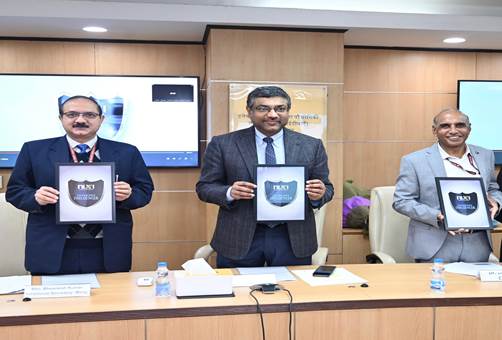
The National Internet Exchange of India (NIXI) has launched a unique Internet Governance Internship and Capacity Building Scheme to increase awareness and build expertise in internet governance among Indian citizens. Shri S. Krishnan, Secretary, Ministry of Electronics and Information Technology (MeitY), and Chairman, NIXI, introduced this initiative.
Aim of the Program
This scheme is designed to develop future leaders who can address internet governance challenges globally. Participants will work with organizations like ICANN, ISOC, IEEE, and IETF and gain hands-on experience under the mentorship of global experts.
Key Features of the Internship
Two internship tracks: 6-month and 3-month programs.
Monthly stipend: ₹20,000 for each intern.
Guidance from international experts, retired government officials, and university faculty.
Focus on outreach programs to spread internet governance awareness.
Vision Behind the Scheme
Shri S. Krishnan emphasized the need for diverse voices in internet governance, encouraging youth to take up the challenge and contribute to shaping a fair and inclusive internet.
NIXI’s Role
Since its establishment in 2003, NIXI has worked to boost internet access and infrastructure in India. This internship program is another step toward empowering Indians to participate actively in global internet governance and foster a more inclusive digital ecosystem.
Stamp duty is an essential part of legal and financial transactions in India. Whether you are buying property, signing a rental agreement, or executing a business contract, understanding stamp duty and its significance can save you from potential legal complications. Let’s dive into what stamp duty is, when it is applicable, and its role in official works across India.
What is Stamp Duty?
Stamp duty is a type of tax levied by the government on legal documents. It serves as evidence of a transaction or agreement being valid and enforceable by law. The tax is collected either through physical stamp papers or electronically, depending on the state’s rules.
The rate of stamp duty varies from state to state in India and depends on the type of document involved. Common examples of documents that require stamp duty include property sale deeds, lease agreements, power of attorney, and business contracts.
When Is Stamp Duty Used?
Stamp duty is required in various transactions to make them legally valid. Here are some common scenarios where stamp duty comes into play:
Property Transactions: Buying or selling immovable property requires stamp duty payment. It is calculated as a percentage of the property’s market value and varies by state.
Rental Agreements: Lease or rental agreements exceeding 11 months are subject to stamp duty. The amount depends on the duration and value of the agreement.
Business Agreements: Contracts such as partnerships, joint ventures, and other agreements require stamp duty to ensure they are legally binding.
Loan Agreements: Financial institutions require stamp duty on loan documents, including mortgage deeds and promissory notes.
Gift Deeds and Will Registration: Transferring property or assets as gifts or through a will often requires stamp duty.
How Does Stamp Paper Play a Role in Official Works?
Stamp paper acts as a physical medium for paying stamp duty. It is an integral part of legal documentation in India. Here’s how it contributes:
Legal Validity: Documents executed on stamp paper have legal backing, making them admissible in courts as evidence.
Proof of Transaction: Stamp papers ensure that the involved parties have paid the required duty, marking the transaction as official.
Preventing Fraud: Using stamped documents reduces the chances of forgery or disputes as they carry the authority of government validation.
Standardized Documentation: The use of stamp papers ensures uniformity in official documents across states, promoting transparency and consistency.
Types of Stamp Papers
Non-Judicial Stamp Paper: Used for agreements, deeds, and contracts.
Judicial Stamp Paper: Used for court fees and other legal proceedings.
Importance of Stamp Duty in India
Revenue Generation: Stamp duty is a significant source of revenue for state governments.
Legal Protection: It provides legal sanctity to agreements and transactions, protecting the rights of the involved parties.
Transparency: It ensures that all major transactions are documented, reducing the chances of fraud or tax evasion.
E-Stamping: The Modern Solution
With the advancement of technology, many states in India have introduced e-stamping. This digital method eliminates the need for physical stamp papers, making the process faster, more secure, and more environmentally friendly. E-stamping can be done online, and the documents can be verified instantly.
Conclusion
Understanding stamp duty and its role in official works is crucial for anyone involved in legal or financial transactions in India. Whether it’s buying a house, signing a lease, or entering into a business contract, stamp duty ensures that your agreement is legally recognized and secure. With the advent of e-stamping, the process has become more streamlined, making it easier for individuals and businesses to comply with the law.
IMTEX 2025 Set to Showcase Cutting-Edge Manufacturing Innovations in Bengaluru
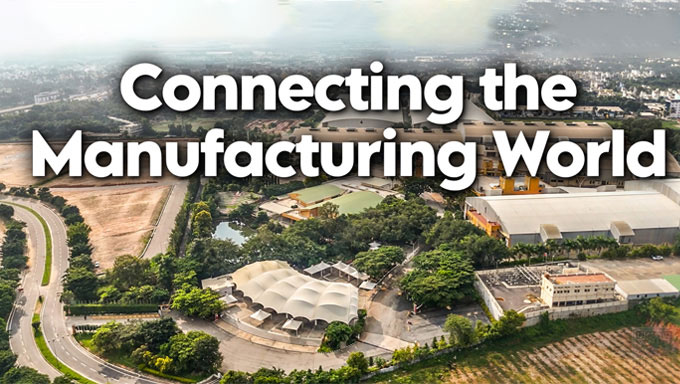
IMTEX 2025, Asia’s largest and most prestigious exhibition for machine tools and manufacturing technology, will take place from January 23 to 29, 2025, at the Bangalore International Exhibition Centre (BIEC), Bengaluru. Organized by the Indian Machine Tool Manufacturers’ Association (IMTMA), the event will bring together global leaders, innovative technologies, and industry professionals under one roof.
Why IMTEX 2025 Stands Out
With over five decades of history, IMTEX is renowned for driving innovation and fostering business growth in the manufacturing sector. The event will feature Tooltech, a concurrent show focusing on tooling systems, and special pavilions dedicated to Industry 4.0 and additive manufacturing.
The previous edition, IMTEX 2023, was a massive success, attracting:
991 exhibitors
96,000 visitors
Orders worth ₹2,200-₹2,800 crore
Enquiries exceeding ₹31,000 crore
Key Highlights of IMTEX 2025
Exhibitor Profile: Showcasing technologies such as CNC machines, robotics, additive manufacturing, metrology, and automation systems.
Visitor Profile: Participation from sectors like aerospace, automotive, defense, and academia, ensuring a diverse and vibrant audience.
Parallel Events:
International Buyer-Seller Meet: Connecting exhibitors with overseas markets.
Seminar on Manufacturing Technologies: Insights into the latest trends and innovations.
i2 Academia Pavilion: Bridging academic research with industrial needs.
An Event You Can’t Miss
Whether you’re looking to discover new markets, network with industry professionals, or explore cutting-edge technologies, IMTEX 2025 offers unparalleled opportunities. Don’t miss your chance to be part of this transformative event that defines the future of manufacturing.
For more information and registration, visit www.imtex.in.
Indian driving licenses have witnessed a remarkable transformation over the decades. The evolution of their design, material, and technology reflects the country’s progress and increasing emphasis on security and efficiency. From simple handwritten paper documents to high-tech digital cards, let’s take a journey through the fascinating history of Indian driving licenses.
The Early Days: Paper Licenses
In the early days of motorized transport, driving licenses in India were rudimentary. They were issued as handwritten or typewritten paper documents. These licenses carried basic information like the driver’s name, address, date of birth, and vehicle category. Often, the photograph was either pasted manually or attached with a pin, making these licenses highly vulnerable to tampering and wear and tear.
The lack of a standardized format meant that licenses varied significantly from one state to another. This lack of uniformity, coupled with minimal security features, made forgery relatively easy, posing challenges for traffic authorities.
Transition to Laminated Cards
By the late 20th century, driving licenses began transitioning to laminated cards. These were sturdier and offered basic protection against damage. Lamination also helped secure the photograph and information, reducing the likelihood of tampering.
Although this was a step forward, the laminated cards still relied heavily on manual data entry and verification, leaving room for errors and inconsistencies. Additionally, the design and format continued to vary across states, maintaining the challenge of standardization.
Introduction of Smart Cards
The early 2000s marked a significant leap in the evolution of Indian driving licenses with the introduction of smart cards. These licenses were equipped with an embedded microchip capable of storing essential data. The chip held information such as the driver’s personal details, vehicle category, and history of traffic violations, if any.
Smart cards brought uniformity to the licensing system across different states. They were harder to forge and easier to verify, as traffic authorities could use handheld devices to access the stored information. This technological upgrade enhanced security and streamlined the process of issuing and checking licenses.
The Digital Era: QR Codes and Virtual Licenses
In recent years, India has embraced digitalization in almost every sector, and driving licenses are no exception. Today’s licenses are printed on durable polycarbonate material with advanced security features such as holograms, barcodes, and QR codes.
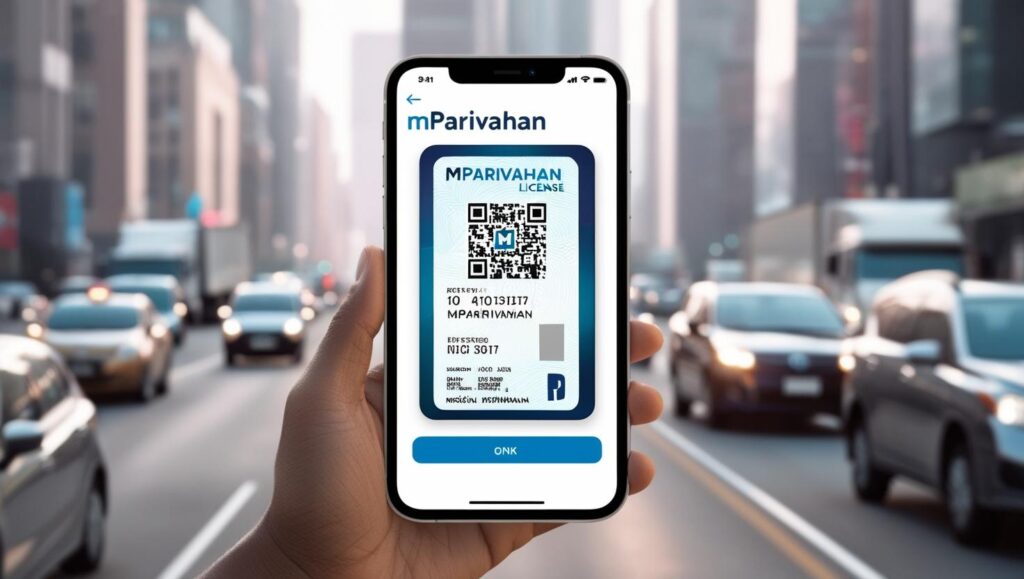
QR codes are particularly revolutionary as they store comprehensive details about the license holder and can be scanned instantly using smartphones or other devices. This feature enables quick verification and helps reduce paperwork and delays.
Moreover, with the introduction of platforms like DigiLocker and the mParivahan app, driving licenses are now available in virtual formats. These digital licenses are legally recognized and can be used instead of physical copies. They also offer added convenience by allowing users to access and share their licenses anytime, anywhere.
Key Benefits of Modern Driving Licenses
Enhanced Security: Advanced printing techniques and embedded technology minimize the risk of forgery.
Durability: Polycarbonate material ensures longevity, protecting licenses from damage.
Efficiency: Digital formats and QR codes simplify verification processes.
Standardization: Uniform designs across states promote consistency and ease of use.
Eco-Friendly: Digital licenses reduce the dependency on physical documents, contributing to environmental sustainability.
Looking Ahead
The evolution of Indian driving licenses is a testament to how technology can transform everyday processes. As we look to the future, further advancements such as blockchain technology and biometric integration could make driving licenses even more secure and efficient. These innovations would not only enhance convenience for drivers but also strengthen the overall traffic management system.
Conclusion
From simple paper documents to sophisticated digital cards, Indian driving licenses have come a long way. This journey highlights the importance of adapting to new technologies to address security and efficiency challenges. Whether you hold a laminated card, a smart card, or a digital license, each format represents a significant milestone in this ongoing evolution.
Stamp Seal: A Timeless Business Tool In today’s fast-paced digital era, where most transactions and communications happen online, it’s easy to assume that traditional tools like stamp seals have become obsolete. However, this couldn’t be further from the truth. Stamp seals continue to hold a significant place in business operations, offering authenticity, professionalism, and legal validity. Let’s explore why stamp seals are still relevant and how they add value to modern businesses.
1. A Mark of Authenticity and Trust A stamp seal symbolizes credibility. Whether it’s used on an invoice, agreement, or certificate, it gives the document an official appearance, assuring clients and partners of its legitimacy. Businesses, especially those working with government agencies, rely heavily on stamp seals to validate paperwork. A sealed document often conveys that the content has been verified and approved by the issuing authority, building trust and reducing disputes.
2. Legal Validity and Compliance In many countries, stamped documents hold greater legal standing than unsigned or unstamped ones. Stamp seals are often required for contracts, agreements, and financial statements to ensure they comply with legal standards. For example, government tenders and official communications frequently demand stamped documents to meet regulatory requirements. Without a proper seal, these documents may lack enforceability in legal disputes.
3. Enhancing Professionalism First impressions matter in business, and a stamp seal is a small but impactful way to convey professionalism. Imagine receiving a document with a neat, embossed seal versus one without—the former immediately exudes authority and attention to detail. For businesses looking to leave a lasting impression, especially when dealing with clients or investors, a stamp seal can make a significant difference.
4. Branding and Identity Custom-designed stamp seals are not just functional tools; they are also a part of a company’s branding. Including your company’s logo or unique design in the seal reinforces brand identity and adds a personal touch to every document. This is particularly beneficial for small businesses and startups looking to establish a professional image in a competitive market.
5. Cost-Effective and Sustainable Stamp seals are an economical solution for authenticating documents. Unlike digital alternatives that may require ongoing subscriptions or software upgrades, a high-quality stamp seal is a one-time investment that lasts for years. Moreover, they are environmentally friendly, as they require no electricity or other resources to function.
6. Versatility Across Industries Stamp seals are not limited to a specific type of business. They are used by a wide range of industries, from law firms and educational institutions to manufacturers and retail outlets. Whether it’s for certifying a product, issuing receipts, or marking attendance, stamp seals remain a versatile tool that adapts to diverse business needs.
7. Tradition Meets Modernity While digital signatures and online verifications are gaining popularity, they often lack the tangible and ceremonial aspects that a physical stamp seal offers. Combining traditional stamp seals with modern technology, such as QR codes or smart ink, bridges the gap between authenticity and innovation. This hybrid approach ensures that businesses can maintain their traditional roots while staying relevant in the digital age. Conclusion Despite the rise of digital tools, stamp seals have retained their importance in the business world. They provide authenticity, legal validity, and professionalism, making them indispensable for various industries. By incorporating a custom stamp seal into your business operations, you not only uphold a timeless tradition but also enhance your brand’s identity and credibility. If you’ve yet to invest in a stamp seal for your business, now is the time. A simple yet powerful tool, it’s a small step that can leave a lasting impression.
Few popular Stamp maker through online design in India:
Dharwad, Karnataka — The Indian Institute of Technology (IIT) Dharwad has announced an open tender for networking works at Room 012, Academic Block I. The project aims to establish a robust and high-performance network infrastructure, ensuring seamless connectivity within the designated area.
Key Details of the Tender
Tender Number: IITDH/IPS/EE/2024-25/055 Type of Tender: Open Tender (E-Procurement Mode Only) Cost of Tender Documents: Free of Cost Earnest Money Deposit (EMD): ₹3,380/- Validity of Bids: 180 days from the date of opening of the financial bid.
Submission Details
Bids must be submitted online through the Central Public Procurement Portal (CPPP) at eprocure.gov.in. The technical bids will be evaluated first, followed by the opening of financial bids for eligible participants.
For assistance with the e-tendering process, bidders can refer to the user manuals available on the CPPP or contact the 24×7 helpdesk.
Scope of Work
The tender encompasses the following tasks:
Supply of Network Equipment:
Provision of network switches compatible with the existing infrastructure.
High-quality Ethernet cables, connectors, and other accessories.
Installation:
Installation of network switches in designated racks.
Structured Ethernet cabling adhering to industry standards.
Testing:
Comprehensive testing of installed components for data transfer rates and signal integrity.
Commissioning:
Configuration of network switches and integration with existing systems.
Documentation and Training:
Submission of network diagrams and as-built drawings.
Basic operational training for designated personnel.
Eligibility Criteria
To qualify for the tender, bidders must fulfill the following requirements:
A minimum of 5 years of experience in networking works.
Proven track record with work orders or certificates for similar projects.
A net worth that is not negative as of March 31, 2024.
Minimum annual turnover of ₹3.40 lakhs in any of the last five financial years.
GST registration and a valid PAN/TAN.
A declaration of non-blacklisting from any organization.
IIT Dharwad reserves the right to suspend or modify the tender process at any stage without assigning a reason.
Contractors are required to adhere strictly to all labor laws and safety protocols during the project execution.
The completion period for the project is 60 days from the start date.
This tender represents a significant opportunity for experienced contractors to contribute to IIT Dharwad’s infrastructure development. Interested parties are encouraged to review the detailed tender document available on the CPPP website and submit their bids before the deadline.
Union Minister Dr. Virendra Kumar to Open NIMHR’s Expanded Campus in Sehore
Sehore, Madhya Pradesh – Union Minister for Social Justice and Empowerment, Dr. Virendra Kumar, is set to inaugurate the newly constructed administrative, academic, hostel blocks, and studio apartment at the National Institute of Mental Health Rehabilitation (NIMHR) tomorrow. The ceremony will also witness the presence of Madhya Pradesh ministers Shri Karan Singh Verma (Department of Revenue) and Shri Narayan Singh Kushwaha (Department of Social Justice and Empowerment), alongside Bhopal MP Shri Alok Sharma and Sehore MLA Shri Sudesh Rai.
The state-of-the-art campus aims to bolster mental health services and rehabilitation efforts, serving as a hub for education, community engagement, and awareness. NIMHR’s efforts include public education on mental health, reducing societal stigma, and empowering individuals with mental health challenges to reintegrate successfully into society.
Facilities and Features
The new campus comprises specialized service blocks offering therapies like neurotherapy, physiotherapy, occupational therapy, and advanced diagnostics including MRI and CT scans. Additional facilities include:
Administrative and Academic Block: Equipped with 16 classrooms, a library, faculty offices, and administrative rooms, alongside a Cross-Disability Early Intervention Centre for children with disabilities.
Hostel: Separate accommodations for boys and girls, with reserved facilities for Divyangjan students.
Studio Apartments: A block with 23 double-bedded rooms for visiting staff and professionals.
The Institute’s service blocks host 70 rooms dedicated to doctors, vocational training, and clinical services, alongside pantry and cafeteria facilities.
About NIMHR
Established in 2018 under the Department of Empowerment of Persons with Disabilities (Ministry of SJ&E), NIMHR focuses on mental health rehabilitation and education. Currently, it offers diverse courses such as caregiving certification, diplomas in community-based and vocational rehabilitation, and a post-graduate diploma in rehabilitation psychology.
NIMHR is also a hub for clinical services, including psychotherapeutic interventions, psychological assessments, and tele-counseling. Departments such as Psychiatry, Clinical Psychology, Psychiatric Nursing, and centers for Occupational Therapy and Yoga Sciences form the backbone of its operations.
This initiative marks a significant step toward advancing mental health services in India, aligning with the government’s commitment to inclusive development.
Vice President Champions Farmer-Centric Reforms at Dharwad Agricultural College’s 75th Anniversary
Dharwad, January 16, 2025: Addressing the inaugural ceremony of the Amrit Mahotsav of the College of Agriculture, University of Agricultural Sciences, Dharwad, the Vice President lauded the institution’s pivotal role in advancing agricultural science and transforming farmers’ lives. The event, coinciding with an alumni meet, highlighted the importance of collective contributions to institutional growth.
“Alumni are the backbone of any institution. Their contributions, no matter how small, create a strong bond that fuels growth and innovation,” he remarked, urging alumni to support their alma mater in meaningful ways.
The Vice President commended the University for its leadership in agricultural marketing, exports, and its active collaboration with Krishi Vigyan Kendras. “These initiatives provide farmers with a cutting edge, transforming their lives,” he said, emphasizing the need for innovation and farmer-centric reforms across the country.
Discussing India’s exponential economic growth, he stressed the critical role of the agricultural sector, referring to it as the “economic backbone” envisioned by Mahatma Gandhi. Citing milestones such as Prime Minister Modi’s reforms and initiatives like the PM-Kisan Samman Nidhi, he underscored the importance of enhancing farmers’ economic security and reducing their dependency on unpredictable weather and market conditions.
Highlighting the establishment of the National Turmeric Board, the Vice President described it as a transformative step for doubling turmeric production and boosting exports. He called for similar boards to ensure value addition and market stability for various agro-products.
“A happy farmer ensures a thriving economy. Agro-based industries must contribute to the welfare of farmers through CSR initiatives and support for research,” he said, advocating the integration of technology and innovation to address challenges faced by the farming community.
Concluding his address, the Vice President celebrated India’s strides in technology and infrastructure, emphasizing the need for continuous reforms in the farm sector. “Empowering farmers will fast-track our journey to Viksit Bharat, ensuring equitable growth for all,” he asserted.
The event served as a platform to reaffirm the nation’s commitment to agriculture, with the Vice President reiterating the critical role of institutions like the College of Agriculture in building a resilient and prosperous India.
India Joins Elite Space Club with SpaDeX Mission’s Successful Docking Operation
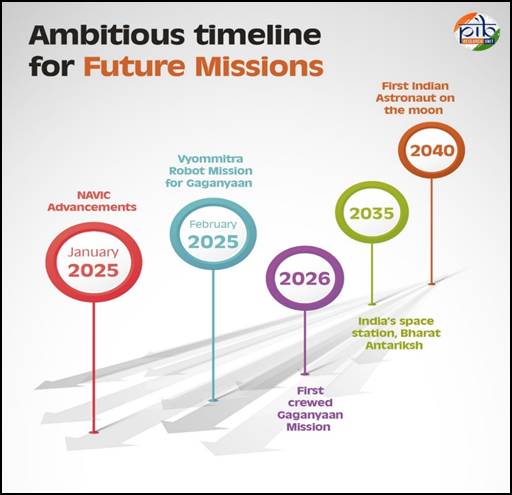
Sriharikota, January 16, 2025 – In a landmark achievement, India has entered the elite group of nations capable of executing space docking operations. The Indian Space Research Organisation (ISRO) successfully demonstrated space docking through the Space Docking Experiment (SpaDeX) mission, marking a critical milestone for the nation’s ambitious space endeavors.
Launched on December 30, 2024, aboard the Polar Satellite Launch Vehicle (PSLV)-C60, SpaDeX involves two indigenous satellites, SDX01 and SDX02. The mission showcased precise docking and integrated control of the spacecraft, a capability essential for satellite servicing, space station operations, and interplanetary exploration.
Precision Docking Demonstration
The docking operation, conducted on January 16, 2025, showcased flawless maneuvering from a 15-meter hold point to a 3-meter docking range. Following a smooth capture, the system executed retraction and rigidisation, allowing the spacecraft to function as a single unit. Upcoming operations will include undocking and power transfer tests to validate system performance further.
Prime Minister Narendra Modi lauded the achievement, stating: “Congratulations to our scientists at ISRO and the entire space fraternity for this historic milestone. SpaDeX is a stepping stone for India’s ambitious future in space.”
Strategic Significance of SpaDeX
The mission marks India as the fourth nation to achieve this capability, joining the ranks of the United States, Russia, and China. Beyond technical mastery, SpaDeX lays the foundation for crucial projects such as the Bharatiya Antariksh Station (BAS) and future lunar sample return missions.
Dr. Jitendra Singh, Union Minister of State for Science and Technology, emphasized: “SpaDeX establishes India as a global leader in space docking technology, paving the way for ambitious missions like Chandrayaan-4 and Gaganyaan.”
The Bharatiya Docking System, an autonomous docking mechanism.
Advanced rendezvous sensors and inter-satellite communication links.
Power transfer technology for sustained operations post-docking.
GNSS-based relative orbit determination and innovative docking strategies.
The satellites, equipped with solar panels, lithium-ion batteries, and robust power systems, successfully demonstrated power transfer and docked operation.
Future Implications
The SpaDeX mission signifies India’s growing self-reliance in space technology, reinforcing its status as a global space power. With its sights set on autonomous docking capabilities, ISRO is well-positioned to execute ambitious projects such as lunar exploration and long-term space station operations.
SpaDeX is not just a demonstration of technological excellence but a testament to India’s indigenous innovation, propelling the nation into a new era of space exploration.
Bhashini’s multilingual translation at Maha Kumbh Prayagraj 2025 ensures seamless communication, lost/found registration, and real-time assistance through AI-powered solutions.
The Ministry of Electronics and Information Technology (MeitY) has introduced Bhashini, a language translation ecosystem designed to provide multilingual accessibility at the Maha Kumbh in Prayagraj, from January 13 to February 26, 2025. This cutting-edge technology aims to enhance communication, information access, and support for millions of visitors.
Bhashini’s Digital Lost & Found Solution allows devotees to register lost and found items using their native language, with real-time voice and text translation to assist in smooth communication. The Kumbh Sah’AI’yak chatbot, powered by AI technologies such as Llama LLM, will also assist visitors with navigation, queries, and information in 11 languages, including Hindi, English, and nine other regional languages.
In addition, the UP 112 Emergency Helpline is integrating Bhashini’s CONVERSE feature to overcome language barriers. This feature enables real-time communication between distressed devotees and emergency responders. The collaboration between Bhashini and the Uttar Pradesh Police Department ensures that field officers are trained to effectively use the app for language support.
Bhashini’s multilingual support represents MeitY’s commitment to enhancing accessibility and ensuring a seamless experience for all visitors attending the world’s largest spiritual congregation.
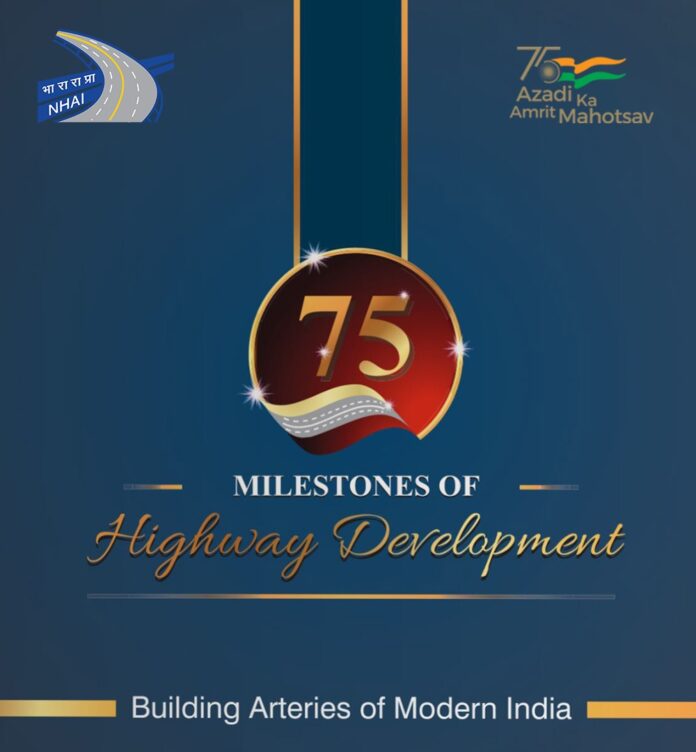
75 Milestones of Highway Development: Shaping Modern India
India boasts the world’s second-largest road network, with its extensive National Highway system weaving through challenging terrains and remote corners of the country. Overcoming unique obstacles, the National Highways Authority of India (NHAI) has created extraordinary engineering marvels that embody the spirit of “achieving the unachievable.”
These modern highways not only showcase India’s remarkable engineering capabilities but also play a pivotal role in building a ‘New India.’ From connecting distant regions to enhancing economic growth, these highways are integral to the nation’s transformation.
For an in-depth exploration, download the detailed PDF document
In the fast-paced digital age, email has become an indispensable tool for personal and professional communication. But have you ever wondered how email has seamlessly taken the place of the formal letter? From its evolution to its significance and etiquette, this blog explores why email is often referred to as the modern formal letter.
A Brief History: From Quill to Keyboard
Before email, formal communication relied heavily on handwritten or typewritten letters. Whether it was correspondence between businesses or personal messages, these letters adhered to specific structures, tones, and formats. The advent of email in the 1970s revolutionized communication, offering a quicker, more efficient way to exchange information while retaining many characteristics of formal letters.
Over time, email has evolved to accommodate diverse needs—from casual exchanges to high-stakes professional communications. Today, it’s the cornerstone of formal interactions, shaping how we connect in the digital era.
Why Email is the Modern Formal Letter
Structured Format: Emails, like formal letters, follow a specific structure—a subject line, salutation, body, closing, and signature. This format ensures clarity and professionalism.
Documentation: Just as formal letters served as official records, emails provide a digital trail. They are timestamped, easily retrievable, and widely accepted as proof in legal and professional matters.
Professional Tone: Emails often employ a tone of formality, especially in corporate or official communications. Proper grammar, punctuation, and vocabulary play a significant role in conveying professionalism.
Customization and Personalization: With templates and tools, emails can be tailored for specific recipients or audiences, akin to customizing letters for individual purposes.
Accessibility and Speed: Unlike traditional letters that required physical delivery, emails ensure instant communication, making them more efficient while maintaining the essence of formal exchange.
The Role of Etiquette in Email Communication
Just as formal letters had rules of etiquette, email communication demands adherence to specific norms to ensure effectiveness and respect. Here are some key aspects:
Clear Subject Lines: A precise subject sets the tone for the email and helps recipients prioritize its importance.
Polite Salutations and Closures: Begin with a courteous greeting and end with an appropriate closing, such as “Sincerely” or “Best Regards.”
Concise and Organized Content: Stick to the point and use paragraphs or bullet points to organize information for easy reading.
Proofreading: Errors in grammar or spelling can compromise professionalism. Always proofread before hitting send.
Timely Responses: Prompt replies reflect respect for the sender’s time and enhance communication efficiency.
Email vs. Traditional Letters: Key Differences
While email mirrors many aspects of formal letters, the two have notable differences:
Medium: Emails are digital, while letters are physical documents.
Speed: Emails are instantaneous, whereas letters involve time for delivery.
Interactivity: Email allows quick back-and-forth communication, unlike traditional letters.
Attachments: Emails enable the inclusion of multimedia and documents, adding versatility to their functionality.
The Impact of Email on Modern Communication
Emails have democratized communication by making it more accessible and inclusive. They bridge geographical barriers and empower businesses, governments, and individuals to communicate effortlessly. Whether sending an official proposal, applying for a job, or following up with a colleague, email is the preferred mode of formal interaction.
Moreover, email’s integration with other tools like calendars, task managers, and collaboration platforms enhances productivity, making it an essential component of modern workflows.
Conclusion: The Future of Formal Communication
Email’s journey from a novel technology to the cornerstone of professional communication underscores its importance as the modern formal letter. As technology evolves, so will email, integrating innovations like AI-driven personalization and enhanced security features. Yet, its essence as a formal, structured, and efficient medium of communication will remain unchanged.
So, the next time you draft an email, remember: you’re continuing the legacy of the formal letter, redefined for the digital age.
Prayagraj, Uttar Pradesh: The Ministry of Tourism, Government of India, has announced a series of ambitious initiatives to position the Maha Kumbh 2025 as a global tourism event, showcasing India’s rich cultural and spiritual heritage. Scheduled to take place in Prayagraj from 13th January to 26th February 2025, this Poorna Kumbh Mela is expected to attract millions of pilgrims, tourists, and spiritual seekers from across the globe.
Key Initiatives to Elevate Maha Kumbh 2025
1. Incredible India Pavilion
A dedicated Incredible India Pavilion spanning 5,000 sq. ft. will be established at the Maha Kumbh. This pavilion will provide an immersive experience for international tourists, scholars, photographers, and the Indian diaspora. It will showcase India’s cultural and spiritual heritage while educating visitors on the significance of the Kumbh Mela.
Features include the Dekho Apna Desh People’s Choice Poll, where visitors can vote for their favorite Indian tourism destinations.
2. Multilingual Tourist Infoline
To enhance the experience for international visitors, the Ministry has launched a Toll-Free Tourist Infoline (1800111363 or 1363) available in:
10 international languages, including French, Spanish, and German.
Indian regional languages, such as Tamil, Telugu, Kannada, Bengali, Assamese, and Marathi.
The service will provide real-time assistance, information, and guidance for foreign tourists, influencers, journalists, and photographers attending the event.
3. Social Media Campaign and Hashtags
A dynamic social media campaign has been launched, featuring hashtags like #Mahakumbh2025 and #SpiritualPrayagraj.
The campaign includes contests, collaborative posts with tourism organizations, and influencer collaborations to amplify global visibility.
4. Luxury Accommodations and Tour Packages
To cater to the influx of visitors, the Ministry has partnered with the Uttar Pradesh State Tourism Development Corporation (UPSTDC), IRCTC, and ITDC to provide:
80 luxury accommodations at Tent City, Prayagraj, set up by ITDC.
Additional luxury tents by IRCTC.
Curated tour packages highlighted in a digital brochure, distributed through Indian Missions and India Tourism Offices worldwide.
5. Enhanced Air Connectivity
In collaboration with Alliance Air, the Ministry has bolstered air connectivity to Prayagraj from multiple Indian cities, ensuring smooth travel for both domestic and international visitors.
6. Visual Documentation of Maha Kumbh
The Ministry is undertaking a large-scale photoshoot and videography project to capture the spiritual essence and grandeur of the Maha Kumbh.
The visuals will be promoted globally through national and international media, reinforcing Prayagraj’s appeal as a spiritual and cultural tourism destination.
Conclusion
The Ministry of Tourism’s comprehensive approach aims to make Maha Kumbh 2025 not only a spiritual milestone but also a global tourism event. By integrating advanced facilities, innovative campaigns, and seamless travel options, the government seeks to attract millions of visitors and solidify India’s position as a premier spiritual tourism hub.
Clearing the Joint Entrance Examination (JEE) is a monumental achievement, but the next crucial step is deciding which IIT and branch to choose. With multiple options and countless factors to consider, this decision can be overwhelming. This blog will guide you through the process, helping you make an informed choice that aligns with your career aspirations and interests.
Factors to Consider When Choosing an IIT
NIRF Rankings and Reputation:
The National Institutional Ranking Framework (NIRF) provides a reliable ranking of IITs based on research, teaching quality, and infrastructure.
Older IITs like IIT Bombay, IIT Delhi, and IIT Kanpur often lead in rankings, but newer IITs like IIT Hyderabad and IIT Indore are rapidly gaining prominence.
Location and Accessibility:
Proximity to your hometown can impact travel expenses and convenience.
Consider the climate and regional culture, as they influence your comfort and overall experience.
Placement Records:
Research the placement statistics of different IITs, focusing on your desired branch.
Look at average salaries, top recruiters, and placement trends in recent years.
Campus Facilities and Culture:
Explore campus amenities like hostels, libraries, labs, and extracurricular activities.
Speak to current students or alumni to get insights into the campus environment and support systems.
How to Select the Right Branch
Understand Your Interests:
Assess your passion and skills in subjects like physics, chemistry, and mathematics.
If you enjoy coding, consider Computer Science; if you love mechanics, Mechanical Engineering might be your calling.
Research Future Prospects:
Analyze the career opportunities and growth potential of each branch.
Fields like Artificial Intelligence, Data Science, and Renewable Energy are gaining momentum in the job market.
Branch Flexibility:
Some IITs offer the option to change your branch after the first year based on academic performance. This provides an opportunity to switch if you’re unsure initially.
Interdisciplinary Options:
Look for branches that allow interdisciplinary learning, such as Engineering Physics or Dual Degree programs. These options can broaden your career horizons.
Top IITs and Their Specializations
Here’s a quick overview of popular IITs and their standout programs:
IIT Bombay:
Known for Computer Science, Electrical Engineering, and Mechanical Engineering.
Offers excellent placement opportunities and a vibrant campus life.
IIT Delhi:
Excels in Civil Engineering, Chemical Engineering, and interdisciplinary research.
Strategically located near India’s capital, enhancing industry interaction.
IIT Madras:
Renowned for Aerospace Engineering, Biotechnology, and Environmental Engineering.
Features a beautiful campus and strong alumni network.
IIT Kanpur:
Famous for its research-oriented approach in Electrical Engineering and Computer Science.
Provides excellent infrastructure and academic facilities.
IIT Kharagpur:
Offers diverse programs, including Architecture, Law, and Management.
Hosts some of the oldest and most reputed engineering courses in India.
Common Mistakes to Avoid
Ignoring Personal Interests:
Don’t choose a branch solely based on peer pressure or high salary prospects.
Overemphasizing Rankings:
While rankings are important, they should not overshadow factors like your comfort and interests.
Not Researching Enough:
Take time to explore each IIT’s offerings, including faculty expertise, campus life, and alumni feedback.
Conclusion
Choosing the right IIT and branch is a life-changing decision. While it’s essential to consider factors like rankings, placements, and facilities, staying true to your interests and goals will ensure long-term satisfaction and success. Remember, every IIT has something unique to offer, and the branch you choose should resonate with your aspirations. Take your time, do thorough research, and consult with mentors to make the best choice.
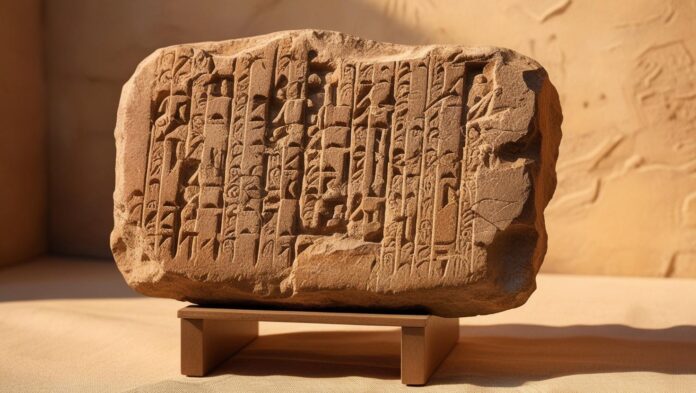
Languages are the lifeblood of human communication and culture, evolving alongside civilizations. From ancient carvings on stone tablets to the sophisticated scripts we use today, the journey of language is as fascinating as it is complex. In this blog, we explore how languages evolved over centuries, the early scripts discovered by researchers, and the oldest language in Asia with supporting evidence.
The Evolution of Languages
The history of languages can be traced back to prehistoric times when early humans relied on symbols, gestures, and sounds to communicate. Over time, these primitive forms evolved into structured languages with grammar and vocabulary. Here’s a timeline of language evolution:
Prehistoric Communication:
Early humans used cave paintings, symbols, and body language to convey ideas. This form of communication dates back to over 40,000 years ago.
Development of Writing Systems:
Around 3,100 BCE, the Sumerians in Mesopotamia developed cuneiform, one of the earliest known writing systems.
The Egyptians followed with hieroglyphics, while the Harappan script emerged in the Indus Valley Civilization.
Classical Languages:
As civilizations advanced, structured languages like Sanskrit, Tamil, Latin, and Greek flourished. These languages laid the foundation for many modern tongues.
The Modern Era:
The advent of printing presses and digital technology accelerated the evolution and standardization of languages. Today, there are over 7,000 spoken languages worldwide.
Early Transcripts and Scripts Found
Archaeological discoveries have unearthed numerous ancient transcripts that provide insights into early communication. Notable examples include:
Indus Script (Harappan Script):
Discovered in the Indus Valley Civilization (c. 2600-1900 BCE), this script remains undeciphered but showcases a highly organized society.
Sumerian Cuneiform:
Found in Mesopotamia, this script (c. 3100 BCE) is recognized as one of the world’s oldest writing systems.
Egyptian Hieroglyphics:
Used for religious texts and monumental inscriptions, these pictorial scripts date back to around 3,200 BCE.
Brahmi Script:
One of the earliest writing systems in India, Brahmi was the precursor to many modern Indian scripts, including Devanagari.
Which is the Oldest Language in Asia?
Asia is a linguistic treasure trove, home to some of the oldest and most diverse languages in the world. Among them, Tamil stands out as the oldest language in Asia, with substantial evidence to support its antiquity.
Historical Evidence:
Tamil belongs to the Dravidian family of languages and has a rich literary tradition dating back over 2,000 years.
The Sangam literature, composed between 300 BCE and 300 CE, is a testament to the language’s ancient roots.
UNESCO Recognition:
Tamil is recognized as a classical language by UNESCO, highlighting its continuity and cultural significance.
Tamil is not only a historical language but also a thriving one, spoken by over 75 million people worldwide.
Conclusion
The evolution of languages reflects the growth and transformation of human societies. From ancient scripts like cuneiform and Brahmi to the enduring legacy of Tamil, languages have been both a medium of communication and a repository of culture. Understanding their origins and evolution helps us appreciate the richness of our shared heritage and the timeless quest for expression.

















 A stamp seal symbolizes credibility. Whether it’s used on an invoice, agreement, or certificate, it gives the document an official appearance, assuring clients and partners of its legitimacy. Businesses, especially those working with government agencies, rely heavily on stamp seals to validate paperwork. A sealed document often conveys that the content has been verified and approved by the issuing authority, building trust and reducing disputes.
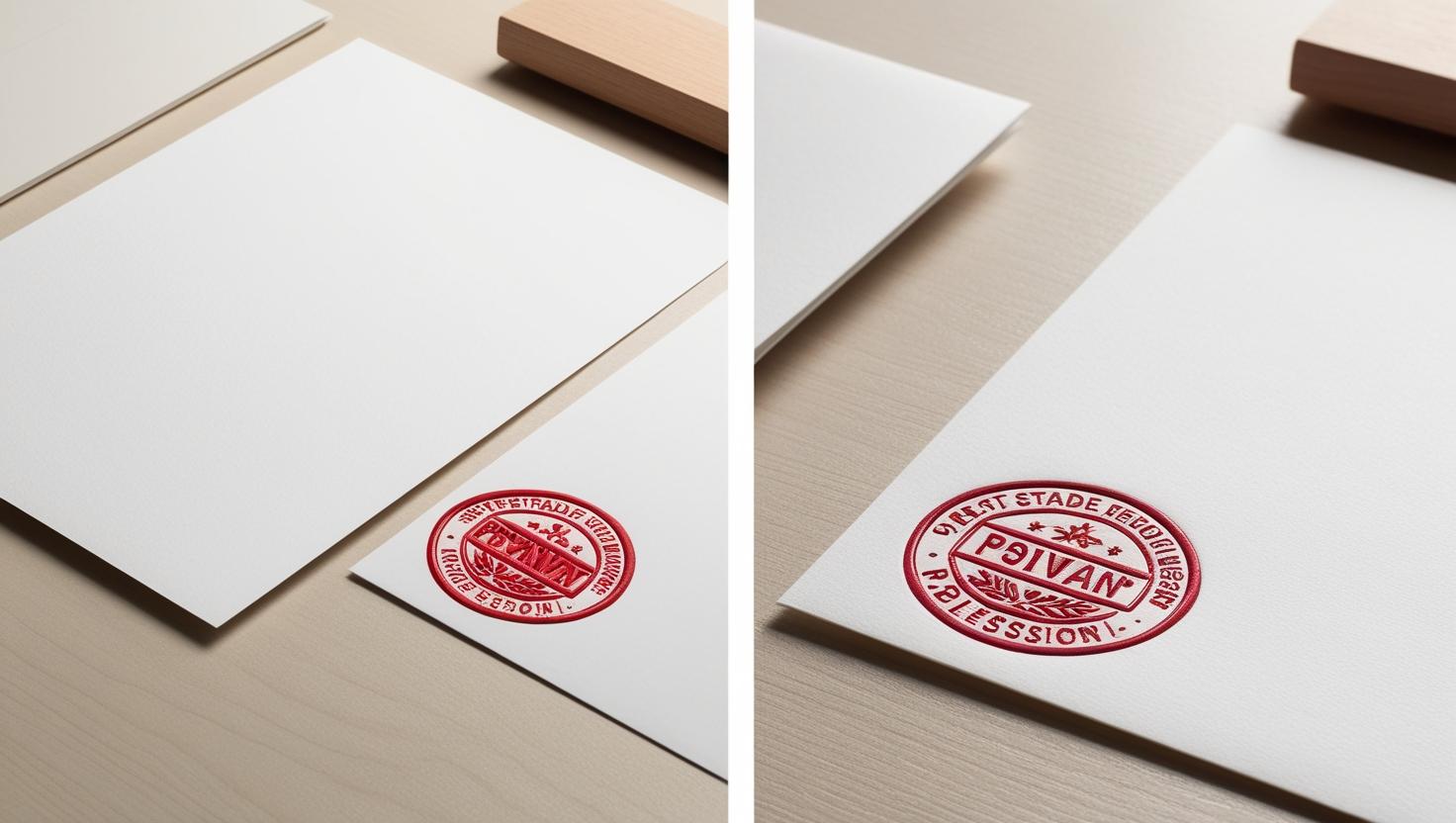 First impressions matter in business, and a stamp seal is a small but impactful way to convey professionalism. Imagine receiving a document with a neat, embossed seal versus one without—the former immediately exudes authority and attention to detail. For businesses looking to leave a lasting impression, especially when dealing with clients or investors, a stamp seal can make a significant difference.
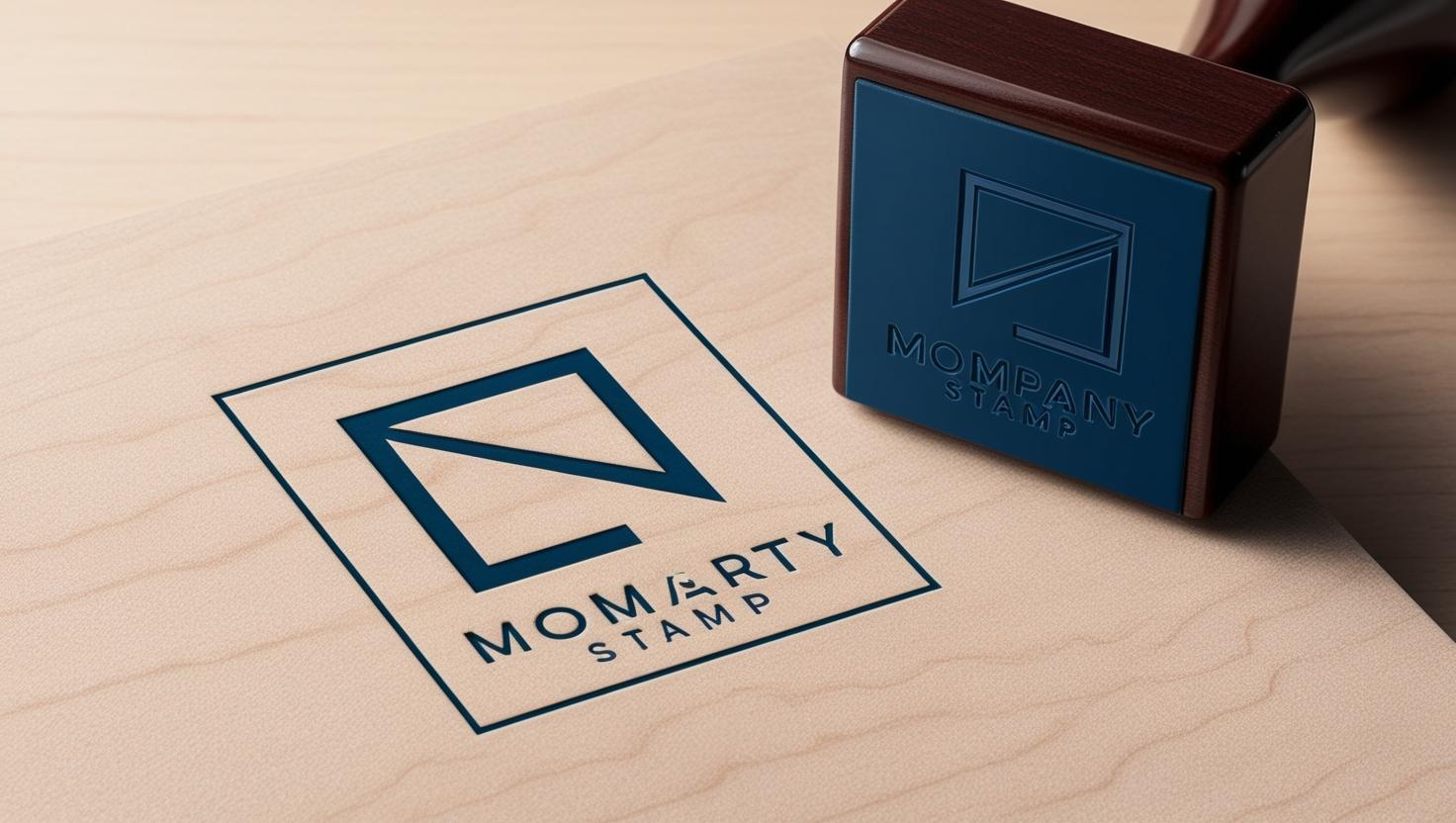 Custom-designed stamp seals are not just functional tools; they are also a part of a company’s branding. Including your company’s logo or unique design in the seal reinforces brand identity and adds a personal touch to every document. This is particularly beneficial for small businesses and startups looking to establish a professional image in a competitive market.
 Conclusion Despite the rise of digital tools, stamp seals have retained their importance in the business world. They provide authenticity, legal validity, and professionalism, making them indispensable for various industries. By incorporating a custom stamp seal into your business operations, you not only uphold a timeless tradition but also enhance your brand’s identity and credibility. If you’ve yet to invest in a stamp seal for your business, now is the time. A simple yet powerful tool, it’s a small step that can leave a lasting impression.